1. Introduction
In today’s increasingly competitive environment, optimizing warehouse space utilization and efficiently managing inventory are critical for every enterprise. A robust warehouse inventory storage racking system not only maximizes the available warehouse area, but also accelerates material handling, minimizes search times, and plays an essential role in maintaining quality control and ensuring safety throughout storage and transportation processes. Moreover, modern racking systems can substantially reduce initial capital expenditures while sustainably improving overall warehouse management efficiency.
2. Types of Warehouse Inventory Storage Racking Systems
There are numerous racking solutions available, each tailored to the specific characteristics of the inventory, available space, load capacities, and operational requirements. Below are some of the most popular types:
2.1. Selective Racking
-
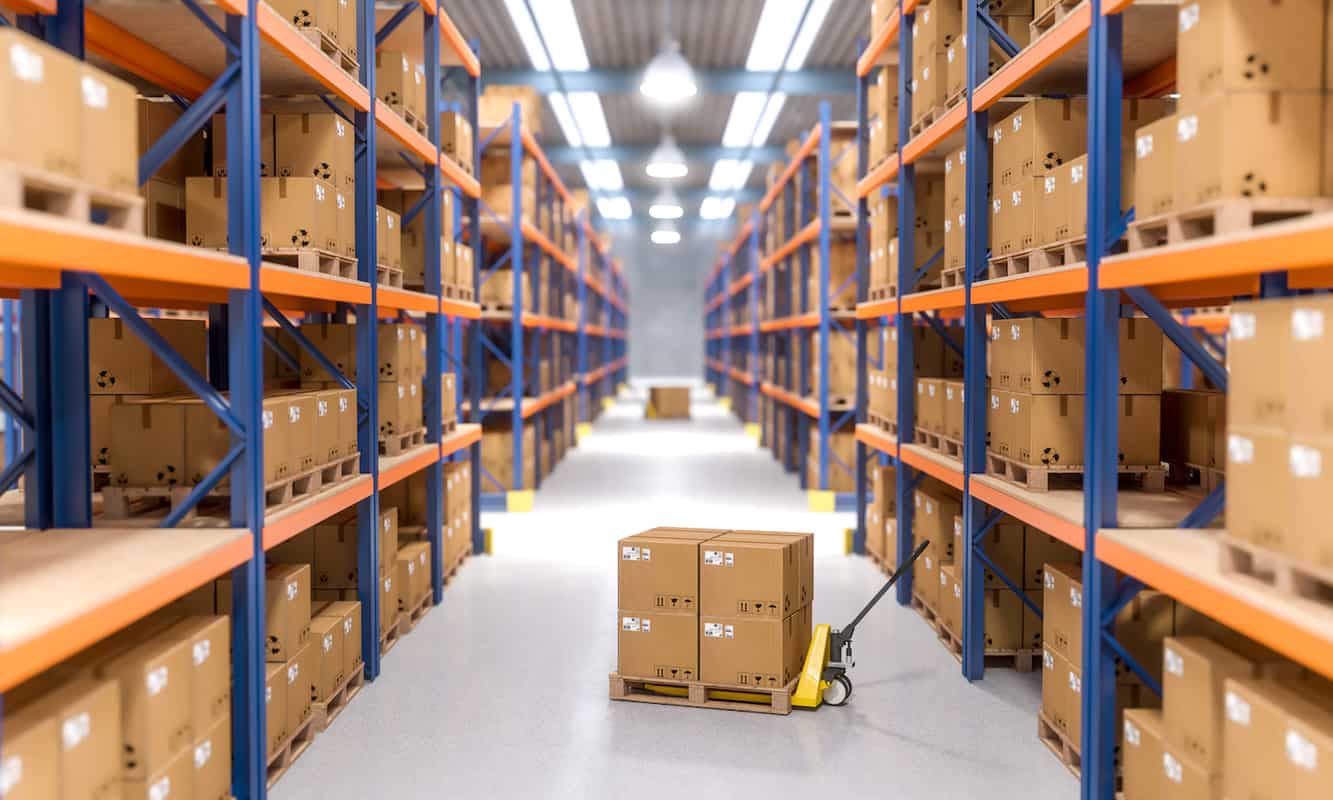
Features: Considered the most widely adopted solution, selective racking allows employees to access goods directly from the face of each pallet. This system is ideal for warehouses handling heavy loads (typically more than 500 kg per pallet) and storing a diverse range of products.
-
Advantages:
-
Offers easy access and control over inventory.
-
Facilitates the implementation of management methods such as FIFO (First-In, First-Out) or LIFO (Last-In, First-Out).
-
Involves a relatively low investment cost when designed to suit the available warehouse space.
-
-
Disadvantages:
-
Without a scientifically planned layout, the potential for load expansion may be limited, necessitating precise foundation work and design considerations.
-
2.2. Drive-in (Drive-Through) Racking
-
Features: This system allows forklifts to enter the racking structure to retrieve goods from one end or both ends. It is especially effective in optimizing space utilization when dealing with uniform inventory that undergoes minimal movement.
-
Advantages:
-
Enhances the efficiency of warehouse space usage.
-
Reduces the number of racks required, thereby lowering overall installation costs.
-
-
Disadvantages:
-
Offers less flexibility in accessing inventory compared to selective racking.
-
Requires specialized training for forklift operators.
-
2.3. Double Deep Racking
-
Features: Designed to accommodate two pallets in a single position, double deep racking effectively doubles storage capacity within the same floor area.
-
Advantages:
-
Optimizes warehouse space for enterprises with large volumes of inventory.
-
Suitable for goods that do not require frequent retrieval (especially when managed using the LIFO method).
-
-
Disadvantages:
-
Retrieving inventory can be challenging without an advanced management system, and the setup typically demands a higher initial investment.
-
2.4. Very Narrow Aisle (VNA) Racking
-
Features: The VNA racking system is tailored for warehouses with limited floor space, utilizing specialized forklifts with high maneuverability.
-
Advantages:
-
Maximizes storage capacity in areas with constrained space.
-
Ideal for businesses looking to significantly enhance floor utilization without expanding the overall facility.
-
-
Disadvantages:
-
Requires a substantial investment in high-end, specialized equipment, and its operation must be monitored rigorously to ensure safety.
-
2.5. Other Racking Systems
-
Mezzanine Shelving: Utilizes the vertical height of the warehouse to create additional storage levels, thereby expanding the effective floor area without needing additional land.
-
Mobile (Movable) Racking: These systems, which can operate automatically or semi-automatically, offer flexible warehouse layouts that can be easily reconfigured to accommodate changing business needs.
-
Traditional Pallet Racking: Featuring a simple structure designed for palletized goods, this system is well-suited for small to medium-sized warehouses or for specific sections designated for particular types of products.
3. Advantages and Benefits of Inventory Storage Racking Systems
Employing a well-designed inventory storage racking system provides numerous tangible benefits for businesses:
-
Optimized Space Utilization: Modern racking solutions enable multi-tiered storage, maximizing the use of available warehouse area—especially in locations where space is limited.
-
Enhanced Inventory Management and Control: A systematic arrangement of inventory not only simplifies the retrieval process but also supports effective monitoring, meeting the dynamic demands of both inbound and outbound operations.
-
Reduced Operational Costs: A durable and efficiently designed racking system helps lower maintenance expenses, minimizes the risk of product damage, and enhances overall handling efficiency.
-
Improved Warehouse Safety: When designed and arranged based on sound engineering principles, inventory storage systems significantly reduce the risk of on-site accidents, ensuring a safe working environment for both staff and goods.
4. Challenges and Considerations for Implementation
While inventory storage racking systems offer many advantages, businesses must carefully consider several key factors before implementation:
-
Initial Investment Costs: Installing a modern, high-quality racking system generally requires a significant upfront investment. It is important to weigh the installation costs against the long-term benefits.
-
Warehouse Layout and Space Planning: Effective partitioning and layout design of the warehouse are vital. Poorly arranged racking can diminish management efficiency and increase safety risks.
-
Inventory Retrieval Requirements: Depending on the frequency of access and the nature of the inventory, it is crucial to choose a racking system that meets operational needs (e.g., selective racking for frequently accessed products or drive-in racking for long-term stored items).
-
Integration of Technology: The current trend in warehouse management involves integrating advanced software and automation into storage systems. This integration not only speeds up processes but also ensures accurate real-time tracking of inventory levels, thereby optimizing overall warehouse operations.
5. Future Trends
The warehouse inventory storage sector is experiencing significant advancements fueled by cutting-edge technology:
-
Automation and Robotics: Racking systems equipped with robotic solutions and automated mechanisms streamline inventory management, enhancing speed and precision while reducing dependency on manual labor.
-
Intelligent Software Systems: Warehouse Management Systems (WMS) have the capability to monitor and forecast inventory needs, optimize the flow of goods, and significantly improve the efficiency of warehouse operations.
-
Advanced Space Optimization: Innovations in racking, such as VNA systems, double deep configurations, and mezzanine shelving, offer diverse storage solutions that help businesses maximize both floor and vertical space—an increasingly valuable asset in the face of rising property costs.
6. Conclusion
Warehouse inventory storage racking systems are vital for optimizing space utilization, enhancing operational efficiency, and reducing costs for businesses. Depending on the specific characteristics of the inventory, the available warehouse space, and management objectives, each racking solution—whether selective, drive-in, double deep, or an automated system—has its own set of advantages and limitations. Therefore, prior to selecting a system, companies should conduct thorough assessments, evaluations, and consult with technical experts to determine the most appropriate solution. This strategic approach will lay a solid foundation for modern, sustainable logistics operations.
How Can You Acquire Industrial or Warehouse Inventory Storage Racks at an Affordable Price, Right at Your Door?
QTE Technologies is your one-stop destination for immediate access to high-quality shelving and accessories. We pride ourselves on being an international supplier of Maintenance, Repair, and Operations (MRO) products, serving customers in over 180 countries. Since our establishment in 2010, we have provided more than 1 million products across a wide range of industries and technical disciplines. Furthermore, you can contact us anytime via our 24×7 live chat support, phone, WhatsApp, or email. Discover what our valued customers say about our services on our dedicated review page.
Post Author By QTE Technologies Editorial Staff (with a solid background in both technical and creative writing - accumulated 15+ years of experience).