Below is a comprehensive article that covers every technical aspect of lifting systems—from fundamental principles, various types, technical components, and safety standards to maintenance and future development trends.
1. Introduction: What Is a Lifting System?
A lifting system is a mechanical arrangement or piece of equipment used for raising, lowering, and securing loads in diverse applications such as automotive service, construction, industrial manufacturing, and maintenance areas. Depending on the form and intended use, a lifting system can be designed with various operating mechanisms ranging from hydraulic, electrical, and mechanical systems to combinations integrating cutting‐edge automated technology. The function of a lifting system is not limited to merely raising and lowering loads; it must also ensure operational stability, safety, and energy efficiency, thereby delivering optimal performance in production processes, equipment maintenance, and vehicular applications.
2. Operating Principles of Lifting Systems
Lifting systems are generally based on one of the following fundamental principles:
-
Hydraulic Principle (Pascal’s Law): This principle is commonly applied in hydraulic lifts. When an incompressible fluid (typically hydraulic oil) is confined within a sealed chamber, any change in pressure at one point is transmitted uniformly throughout the system. This allows heavy loads to be lifted with a relatively small initial force. For instance, in automotive lifts, a hydraulic pump forces oil into a cylinder, generating a lifting force proportional to the product of the cylinder’s cross-sectional area and the oil pressure.
-
Mechanical Principle: Some devices employ the concepts of leverage, gear mechanisms, or scissor-type mechanisms to achieve force multiplication or a specific lifting ratio. This type of system requires precise calculations regarding the strength and durability of its components and is typically used in simpler lift structures such as scissor lifts.
-
Application of Electric Motors and Mechatronics: Modern technologies often integrate electric motors with microcontrollers to precisely manage the lifting and lowering process. This integration enables fully automatic operation, adjustable speed, smooth motion control, and built-in safety warning systems that activate when a preset load limit is reached.
The selection of a particular operating principle typically depends on the required load capacity, lifting speed, precision, and the environmental conditions in which the lift will operate.
3. Classification of Lifting Systems
Depending on the application field and the operating mechanism, lifting systems can be categorized into several types. Below are some of the common classifications:
3.1. By Application
-
Automotive Lifts: Widely used in vehicle repair and maintenance workshops, automotive lifts come in several forms, including:
-
Scissor Lifts: Employing beams and a scissor mechanism to generate the lifting force, these systems typically feature a simple structure and are easy to maintain.
-
Pure Force Lifts: Designed with robust anchoring systems and high load capacities, these lifts are often used for heavy vehicles or in professional repair facilities.
-
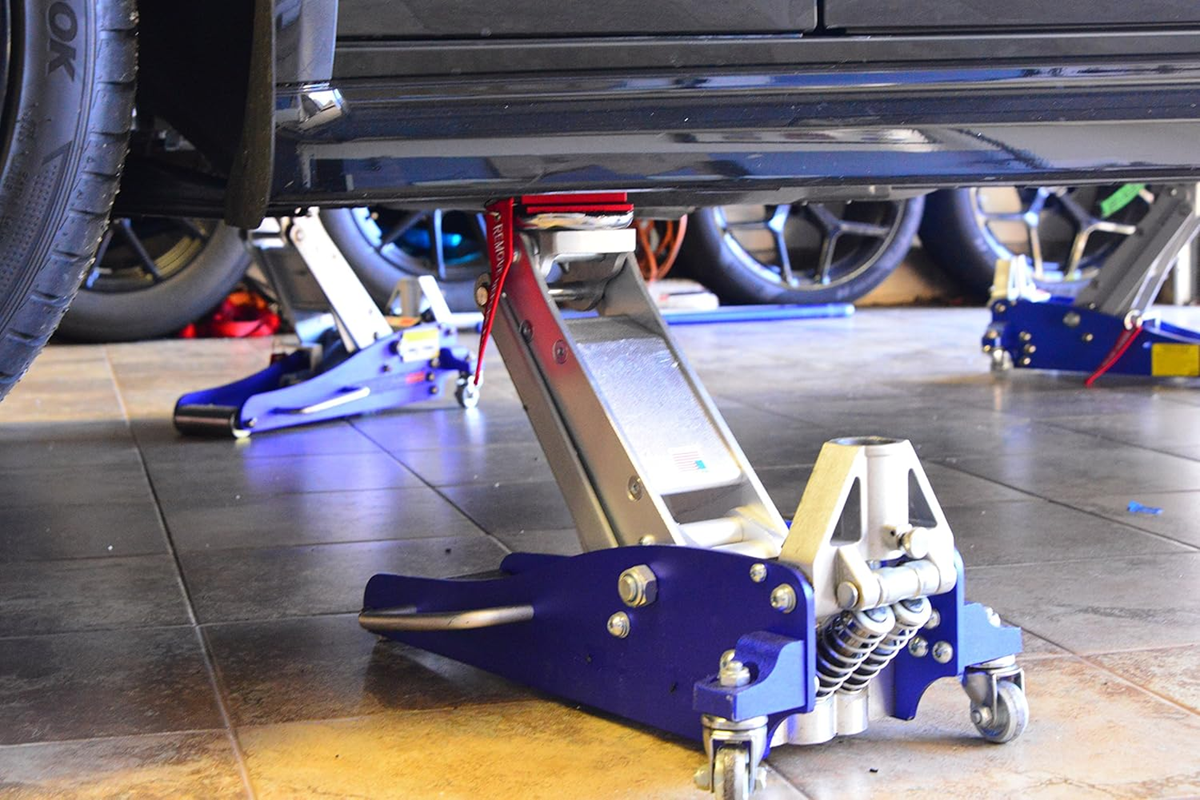
Hydraulic Cylinder Lifts: Capable of lifting various types of vehicles with different load capacities, these lifts facilitate safe and convenient tire changes and undercar inspections. Thanks to such applications, automotive lifting systems are increasingly enhanced in terms of safety features, durability, and the integration of modern automation technologies.
-
-
Platform and Technical Floor Lifts: Commonly employed in construction sites, control centers, offices, or factories, platform lifts create elevated workspaces that are safe, convenient, and flexible. They minimize the risks associated with working at height or in areas where easy access to electrical wiring, piping, etc., is required. These systems not only must support the required loads but also comply with standards pertaining to electrical insulation, vibration damping, and resistance to harsh environmental conditions.
3.2. By Operating Mechanism
-
Hydraulic Systems: Utilizing pumps, cylinders, and control valves, hydraulic systems are advantageous for their ability to lift heavy loads with high stability. However, they require periodic maintenance of the hydraulic fluid and strict pressure control.
-
Electric Systems: Combining electric motors with gear-driven or scissor mechanisms, electric systems offer precise control and smooth speed regulation. They do, however, rely on a dependable power supply and may require sophisticated cooling systems.
-
Purely Mechanical Systems: Designed based on lever principles and generally free from electrical power or hydraulic fluids, these systems are typically found in smaller applications or in scenarios where simple safety measures are prioritized.
4. Technical Components of Lifting Systems
A modern lifting system typically comprises the following technical components:
-
Structural Frame: Constructed from high-strength materials (such as alloy or stainless steel), the structural frame is designed to withstand heavy loads while ensuring rigidity and operational stability. Structural design often adheres to a safety factor—typically allowing for a load capacity of 1.5 to 2 times the maximum anticipated load.
-
Transmission System:
-
Hydraulic Transmission: Consists of a pump, cylinder, oil conduits, and control valves. By exploiting Pascal’s principle, this system permits smooth control of the lifting and lowering process through pressure adjustments.
-
Mechanical Transmission: Comprises gears, shafts, levers, and scissor mechanisms to transmit and multiply force.
-
-
Control System: Incorporates microcontrollers, load sensors, and various electronic devices to monitor and control the operational process in real time. This system not only ensures stable operation but also provides early warning signals in the event of anomalies.
-
Safety Components: Include overload sensors, safety locks, backup systems, and deceleration mechanisms that activate when approaching the maximum load. These features are essential in preventing accidents during unexpected malfunctions.
5. Technical Standards and Regulations
Given that lifting systems are frequently used in high-risk environments—such as automotive repair shops, construction sites, and manufacturing plants—these systems must comply with strict standards:
-
International Standards: These include ISO standards relevant to the design, operation, and maintenance of machinery, such as ISO 12100 (machine safety) and ISO 4413/4414 (hydraulic systems).
-
National Regulations: Each country enforces its own regulations concerning lifting equipment. In Vietnam, for example, there are established standards for occupational and technical safety for lifting systems used in workshops and construction sites.
Adhering to these standards ensures that the equipment operates efficiently while minimizing the risk of accidents and guaranteeing the safety of both operators and maintenance personnel.
6. Advantages and Limitations of Various Lifting Systems
To provide an overall perspective, the following table offers a quick comparison among different types of lifting systems:
| Lifting System Type | Advantages | Limitations |
|---|---|---|
| Hydraulic | - Capable of lifting very heavy loads<br>- Smooth and precise control | - Requires periodic hydraulic fluid maintenance<br>- High initial investment cost |
| Electric | - Stable operation with easy speed control<br>- Integrated automation and monitoring | - Dependent on a stable power supply<br>- Complex drive structure |
| Purely Mechanical (Scissor, Lever) | - Simple design and easy maintenance<br>- High reliability under harsh conditions | - Limited load capacity<br>- Restricted lifting force and speed |
The choice of a specific lifting system is determined by its intended use, operating environment, and economic as well as technical factors unique to each project.
7. Practical Applications in Various Industries
7.1. In the Automotive Industry
Automotive lifts are indispensable in repair and maintenance workshops. The use of such systems offers the following benefits:
-
Safe Vehicle Lifting: They enable repair personnel to easily access components underneath vehicles, thereby reducing the risk of causing damage or incurring injuries.
-
Tire Changing and Inspection: Modern lifting systems allow for rapid vehicle elevation and precise height adjustments, which significantly enhance operational efficiency.
7.2. In Construction and Industrial Areas
Platform lifts are applied in construction sites, control centers, and manufacturing facilities:
-
Flexible Workspace: Platform lifts enable the creation of elevated workspaces that facilitate the installation, maintenance, and inspection of electrical and plumbing systems without the need for constructing fixed structures.
-
Safety and Convenience: These systems often incorporate sensors, safety locks, and vibration-damping mechanisms, thereby creating a safe working environment and reducing the risk of accidents.
8. Maintenance and Periodic Inspections
Implementing proper maintenance procedures is key to sustaining the performance and safety of a lifting system. Some basic guidelines include:
-
Inspection of the Transmission System: For hydraulic systems, regularly check the oil level, pressure, and condition of connectors and control valves. In electric systems, inspect the connectors and cable tensions to ensure there is no sign of wear.
-
Structural Frame Maintenance: Regularly check welds and joints to detect any early signs of deformation or metal fatigue.
-
Safety System Checks: Frequently examine overload sensors, safety locks, and other preventive mechanisms. These checks not only ensure operator safety but also extend the overall service life of the equipment.
-
Record Keeping and Monitoring: Maintain updated maintenance logs to track usage history and anticipate potential issues before they escalate.
9. Future Trends and Challenges
In the context of Industry 4.0 and widespread automation, lifting systems are witnessing significant advancements characterized by trends such as:
-
Integration of IoT and Smart Sensors: This technology facilitates real-time performance monitoring, fault prediction, and remote maintenance optimization.
-
Enhanced Safety Features: The development of user-friendly control interfaces and automatic warning systems helps minimize operational risks.
-
Energy Efficiency: Research is focusing on the use of lightweight materials and optimized design to reduce energy consumption while still delivering high load capacities.
-
Fully Automatic Control Integration: Advanced control systems capable of accurately adjusting lifting speed and position are being developed to meet the requirements of modern manufacturing facilities.
These advancements not only expand the application potential of lifting systems into new sectors but also introduce challenges related to high initial investment costs and the need for highly skilled maintenance personnel.
10. Conclusion Lifting systems, available in various forms and mechanisms, are a critical technical solution across numerous fields—from automotive and construction to manufacturing plants. A comprehensive grasp of the operating principles, technical structure, and safety standards not only optimizes performance but also ensures the safety of both operators and maintenance personnel. The future of this equipment promises to be closely linked with smart technologies, steering toward automation, remote monitoring, and eco-friendly features—unlocking diverse application opportunities in a rapidly evolving industrial landscape.
Therefore, if you are seeking a wide variety of lifting systems, QTE Technologies is here to meet your needs. We are a global MRO supplier offering a rich product portfolio with over one million items to choose from. Founded in 2010, we provide everything you need for every industry and serve customers in more than 180 countries. Additionally, you can reach our 24/7 live chat support or contact us via phone, WhatsApp, or email at any time. Also, feel free to visit our dedicated review page to see what our valued customers have to say about our services.
Post Author By QTE Technologies Editorial Staff (with a solid background in both technical and creative writing - accumulated 15+ years of experience).