Forklifts are the "heartbeat" of warehouses and distribution centers, efficiently transporting and handling heavy loads. To ensure safe operation and optimize performance, a thorough understanding of the technical aspects—from design and operating principles to routine maintenance—is essential.
I. Forklift Classification
1. By Power Source
- Electric Forklifts: Equipped with electric motors and battery systems, electric forklifts operate quietly with minimal noise and zero emissions, making them ideal for indoor environments and areas that require clean air. However, their main limitation is that operating time is restricted by battery capacity, and charging times must be carefully planned.
- Internal Combustion Forklifts: Powered by fuels such as diesel, gasoline, or LPG, these forklifts meet the demands of outdoor operations or areas requiring high traction and heavy load capacity. Their advantage lies in their ability to operate continuously at high power, while the accompanying drawbacks include increased noise levels, emissions, and the need for pollution control during operation.
2. By Design and Application
- Mast Forklifts: Designed with a mast that allows for the lifting of loads to considerable heights, these forklifts are typically used in warehouses where floor space is limited.
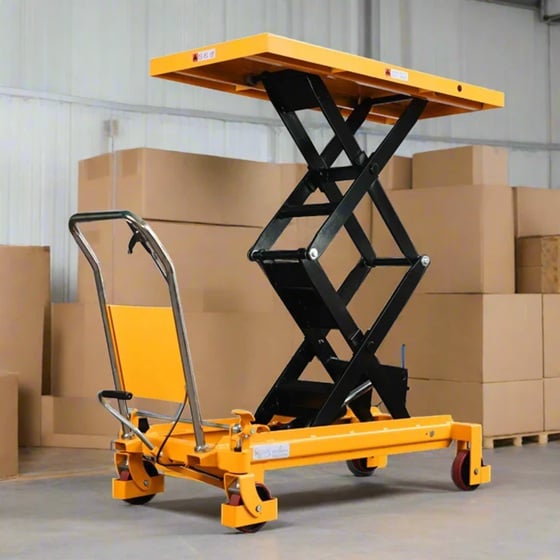
- Pallet Trucks: Intended for transporting goods on flat surfaces, pallet trucks are commonly employed in standard warehouse yards and distribution centers.
- Multi-Purpose Forklifts: These combine superior design features and offer flexible operation across a variety of environments.
II. Structure and Operating Principles
1. Main Components
Forklifts integrate several mechanical and electronic systems, including:
- Frame and Mast: Serving as the "backbone" of the forklift, the frame and mast facilitate the raising and lowering of loads. The mast system typically employs a hydraulic mechanism to ensure smooth movement, enabling precise and safe operation.
- Drive System and Wheels: The engine—whether electric or internal combustion—supplies power through the drive system to the wheels. This system not only determines the moving speed but also influences the forklift’s maneuverability on various surfaces.
- Brake System: Comprising both mechanical and electrical brakes, this system is robustly designed to ensure that the forklift can come to a safe stop under any circumstances.
- Control Panel & Electronic Systems: Modern control panels integrate various sensors to monitor performance, alert operators to malfunctions, adjust speed, and manage load capacity, thereby enhancing operational safety.
2. Operating Principles of the Hydraulic System
The hydraulic system plays a critical role in the lifting and lowering of loads:
- Hydraulic Pump: Converts mechanical energy into oil pressure, which in turn transmits force to the piston for lifting the mast.
- Control Valve: Regulates the oil flow, allowing the forklift to execute lifting and lowering operations smoothly and steadily.
- Oil Reservoir: Ensures a consistent oil supply, maintaining the necessary pressure for the hydraulic system to operate efficiently.
Thanks to the hydraulic system, forklifts can dynamically adjust load height and tilt, thereby optimizing load distribution and maintaining balance during operation.
III. Techniques for Safe and Efficient Operation
1. Pre-Operation Inspection Procedures
Before each shift, the operator should perform the following inspection steps:
- Brake and Wheel System: Ensure that the brakes function properly and the wheels show no signs of wear or damage.
- Hydraulic System: Check the oil level, pressure, and overall condition of the related components.
- Control Panel: Verify that all sensors and electronic signals are operating correctly.
- Load and Center of Gravity: Confirm that the goods are properly loaded and secured, and that they do not exceed the permitted load capacity.
These inspection steps help minimize accidents and ensure optimal forklift performance.
2. Lifting and Transport Techniques
To ensure both safety and efficiency, forklift operations must adhere strictly to the following procedures:
- Lifting Technique: – Loads must be lifted from a secure position, ensuring that the center of gravity always remains within the forklift’s "stability zone." – When lifting, adjustments should be made gradually to avoid excessive shaking that could compromise stability.
- Transport Procedure: – Operate at a consistent speed, paying close attention to turning angles and the clearance around obstacles. – Utilize any available warning systems to alert bystanders when the forklift is in operation.
These techniques not only enhance operational efficiency but also reduce the risk of accidents.
3. Application of Supporting Technologies
Modern trends in the forklift industry demonstrate a growing integration of advanced technologies:
- Sensors and Remote Monitoring: These systems enable the tracking of forklift conditions in real time, facilitating early detection of technical faults and providing warnings of potential issues.
- Automated Systems: Some modern forklifts are equipped with automation systems (AGV – Automated Guided Vehicles) to reduce human error and improve overall operational efficiency.
IV. Regular Maintenance and Inspection
1. Maintenance Procedures
Regular maintenance extends the lifespan of forklifts and ensures they operate under optimal conditions:
- Hydraulic System: – Conduct regular oil changes and inspect valves and the reservoir to ensure there are no leaks or wear over time.
- Electrical System & Control Panel: – Periodically inspect electrical circuits and sensors. – Update the control software (if available) to incorporate new safety features.
- Drive System and Wheels: – Lubricate and inspect all joints. – Evaluate wheel wear so that replacements can be made promptly when necessary.
These maintenance procedures ensure high performance while minimizing the risk of accidents during operation.
2. Operator Training and Skill Enhancement
Another crucial factor is the continuous training provided to operators and maintenance personnel, which includes:
- Training on safety regulations and proper operating procedures.
- Regular updates on new technologies, ranging from automation systems to improvements in emissions and energy efficiency.
This comprehensive preparation helps minimize errors and enhances the overall efficiency of forklift operations.
V. Trends in Development and Technological Innovations
1. Integration of IoT and Automation Technologies
- Remote Monitoring Systems: These systems enable real-time tracking of forklift conditions, assisting in the prediction and prevention of potential issues.
- Automated Forklifts (AGVs): – The autonomous guidance system enables forklifts to operate within warehouses with minimal human intervention. – This helps reduce human error and optimize production and storage processes.
2. Innovations in Materials and Design
Innovations in lightweight yet durable materials, along with optimized load distribution designs, are helping to:
- Reduce the overall weight of the forklift (thereby increasing its lifting capacity relative to its own weight).
- Enhance energy efficiency, reduce mechanical wear, and extend the lifespan of various components.
3. Green Energy and Operational Efficiency
- Electric Forklifts: – Increasingly, electric forklifts are utilizing lithium-ion batteries that offer fast charging times and longer service life. – There is also a growing trend toward the use of alternative energy sources, such as solar power, to reduce costs and environmental impact.
These innovations not only make forklifts more efficient but also contribute to the trend of green and sustainable manufacturing in modern industry.
Conclusion
Forklifts are not merely tools for transporting goods; they represent a convergence of advanced mechanical, hydraulic, and electronic technologies. A comprehensive understanding of their structure and operating principles—combined with strict adherence to safety protocols and routine maintenance—is crucial to ensure optimal performance and protect operator safety. With ongoing advancements in automation and green energy, the future of forklifts promises to be smarter and more environmentally friendly than ever.
Why Choose QTE Technologies?
QTE Technologies offers a wide range of forklifts from renowned brands. We are an international MRO provider proudly serving clients in over 180 countries. Established in 2010, we supply more than 1 million products across various industries and technical fields. Additionally, you can reach us at any time through our 24×7 chat support, phone, WhatsApp, or email. Discover what our valued customers have to say about our services on our dedicated review page.
Post Author By QTE Technologies Editorial Staff (with a solid background in both technical and creative writing - accumulated 15+ years of experience).