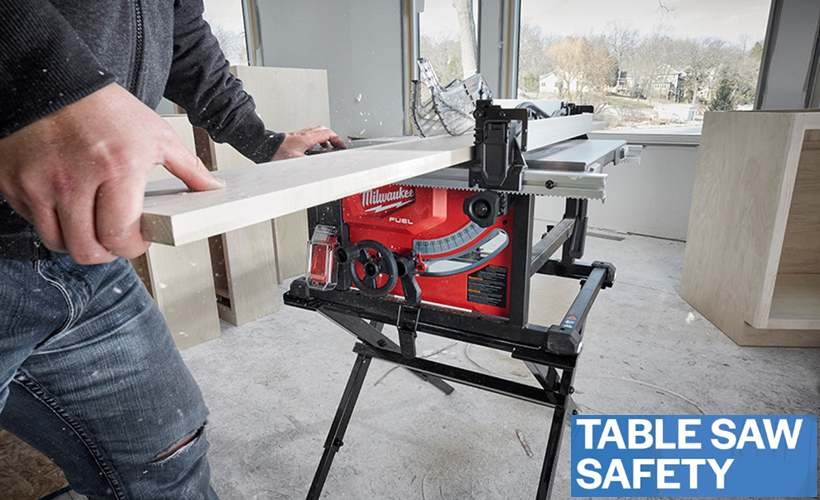
An improperly used table saw can lead to severe injuries - lacerations, amputations, severed fingers, and even blindness. Cultivating a safety-first mindset and mastering core precautions will keep your fingers intact and your projects on track.
Nine Essential Table Saw Safety Tips for Woodworkers
-
Familiarize Yourself with the Manufacturer’s Manual
Thoroughly read and understand your table saw’s instruction manual before first use. It details model-specific safety warnings, assembly steps, blade changes, and troubleshooting procedures. Revisiting the manual periodically can also remind you of seldom-used features and maintenance intervals.
-
Wear Proper Personal Protective Equipment
-
Safety glasses protect your eyes from flying chips and debris.
-
Hearing protection (earplugs or earmuffs) guards against prolonged exposure to loud noise.
-
Dust masks or respirators prevent inhalation of fine wood particles. Avoid gloves, loose clothing, jewelry, and keep long hair tied back to eliminate entanglement hazards.
-
-
Inspect and Maintain Built-In Safety Features
-
Confirm the blade guard is firmly seated and offers a clear line of sight to the blade.
-
Adjust the riving knife so it closely follows blade height, preserving the kerf and reducing kickback risk.
-
Check anti-kickback pawls for proper spring tension and engagement to bite the wood if kickback starts.
-
-
Use Push Sticks and Push Blocks
Keep your hands at least 4 - 6 inches from the blade by using push sticks for narrow stock and push blocks for wider workpieces. Select the right shape and length for each cut, and replace them when signs of wear or cracking appear.
-
Keep the Work Area Clean and Organized
Clear offcut pieces, sawdust accumulations, and tools from the table and surrounding floor. A tidy workspace minimizes tripping hazards and prevents debris from pinching the blade or deflecting your workpiece unexpectedly.
-
Avoid Clothing and Jewelry Hazards
Loose garments, dangling jewelry, and untied hair can get caught in the spinning blade. Always wear snug-fitting clothes, remove rings, bracelets, and secure long hair under a cap or hairband.
-
Employ Kickback Prevention Devices
Kickback occurs when the blade grabs and tosses a workpiece backward at high speed. Use a splitter or riving knife and anti-kickback pawls to keep cut sections from pinching the blade. Always feed wood smoothly and avoid standing directly behind the blade’s path.
-
Set Blade Height and Fence Alignment Correctly
Raise the blade so it extends no more than 1/8 - 1/4 inch above the stock. Too high increases exposure; too low can cause binding. Align the rip fence parallel to the blade to prevent binding and ensure straight, accurate cuts.
-
Adopt Proper Stance and Feed Technique
Stand with your weight balanced on both feet, slightly off to one side of the blade path. Maintain consistent, even pressure when feeding stock. Never reach over the blade or attempt to back out a stuck workpiece by hand; always power off and use a push stick or scrap piece to free it.
Key Safety Devices and Their Functions
| Safety Device | Function |
|---|---|
| Blade Guard | Shields the operator from live blade exposure |
| Riving Knife | Keeps kerf open to prevent binding and kickback |
| Anti-Kickback Pawls | Bite the wood to stop backward ejection of the workpiece |
| Splitter | Rigid separator mounted behind blade to maintain kerf width |
| Push Sticks & Blocks | Provide safe leverage and distance when guiding stock past blade |
Mastering table saw safety is a blend of proper setup, disciplined technique, and unyielding respect for the tool’s power. By integrating these nine practices into every session - reading the manual, donning PPE, inspecting guards, and employing push devices - you transform potentially hazardous cuts into controlled, precise operations. Always maintain a clean workspace, check alignments before each cut, and feed stock with unwavering attention.
Frequently Asked Questions about 9 Table Saw Safety Tips for Woodworkers:
1. What should a woodworker know before using a table saw?
Before the first cut, read and understand your saw’s owner’s manual. It outlines model-specific safety warnings, assembly instructions, blade changes, and troubleshooting tips. Revisiting the manual periodically helps you stay familiar with seldom-used features and proper maintenance intervals.
2. Are table saws safe?
Table saws are powerful tools that can greatly improve cutting efficiency, but they also pose serious injury risks if misused. Each year, tens of thousands of injuries occur - often because operators disable or ignore built-in safety devices. Proper setup, respect for the machine, and disciplined technique are essential for safe operation.
3. What should I wear when operating a table saw?
Always don:
-
Safety glasses or a face shield with side protection
-
Hearing protection (earplugs or earmuffs)
-
A dust mask or respirator for fine wood particles
Avoid loose clothing, jewelry, gloves, and let long hair down - these can catch on the spinning blade. Opt for snug-fitting garments and secure hair back under a cap or band.
4. How do I maintain the built-in safety features?
Before every session, verify that:
-
The blade guard is properly mounted and provides a clear view of the blade
-
The riving knife sits just behind the blade, matching its height to keep the kerf open
-
Anti-kickback pawls have proper spring tension and can engage the wood if kickback starts
Clean off resin buildup and check for corrosion to ensure all parts move freely and reliably.
5. When should I use push sticks and push blocks?
Use push sticks any time your hands would come within 4 - 6 inches of the blade - especially on narrow stock. Push blocks offer better control on wider workpieces by applying even pressure across the top surface. Keep a variety of shapes and sizes on hand, and replace them as soon as cracks or excessive wear appear.
6. How can I prevent kickback?
Kickback happens when the blade grabs the workpiece and hurls it back toward you. To minimize risk:
-
Always install a riving knife or splitter just behind the blade
-
Engage anti-kickback pawls to bite into the wood if binding occurs
-
Feed the wood smoothly, without hesitation, and never stand directly behind the blade’s path
-
Follow manufacturer instructions for reducing kickback risk
7. Why is blade height and fence alignment important?
Set the blade so it protrudes only 1/8 - 1/4 inch above the wood to limit exposure without causing binding. Align the rip fence parallel to the blade to ensure straight cuts and prevent the workpiece from pinching the blade, which could lead to binding or kickback.
8. How do I adopt proper stance and feed technique?
Stand with your feet shoulder-width apart, weight evenly distributed, positioned slightly to one side of the blade path. Hold the workpiece firmly against the fence and table, feeding it steadily into the blade. Keep focus on the cut - distractions, even momentary, can lead to serious mishaps.
9. Why keep the work area clean and organized?
A tidy workspace reduces trip hazards, prevents sawdust buildup that can obscure lines or interfere with tool operation, and stops offcuts from getting caught in the blade. Regularly clear chips and debris from the table and floor to maintain full control over your workpiece and your footing during every cut.
Shop for Table Saw from trusted brands at qtetech.com and qtetech.com/en at the best prices. QTE Technologies is a proud global MRO provider, serving customers in over 180 countries and always striving to ensure a complete and satisfying customer experience. Established in 2010, we supply over 1 million products for every industry and technology. Additionally, you can reach us anytime via 24 x 7 chat support, phone, WhatsApp or email. Discover what our valued customers have to say about our services on our dedicated review page.
Article Author: Editorial Board of QTE Technologies (with a strong background in both engineering and innovation - over 15 years of experience).