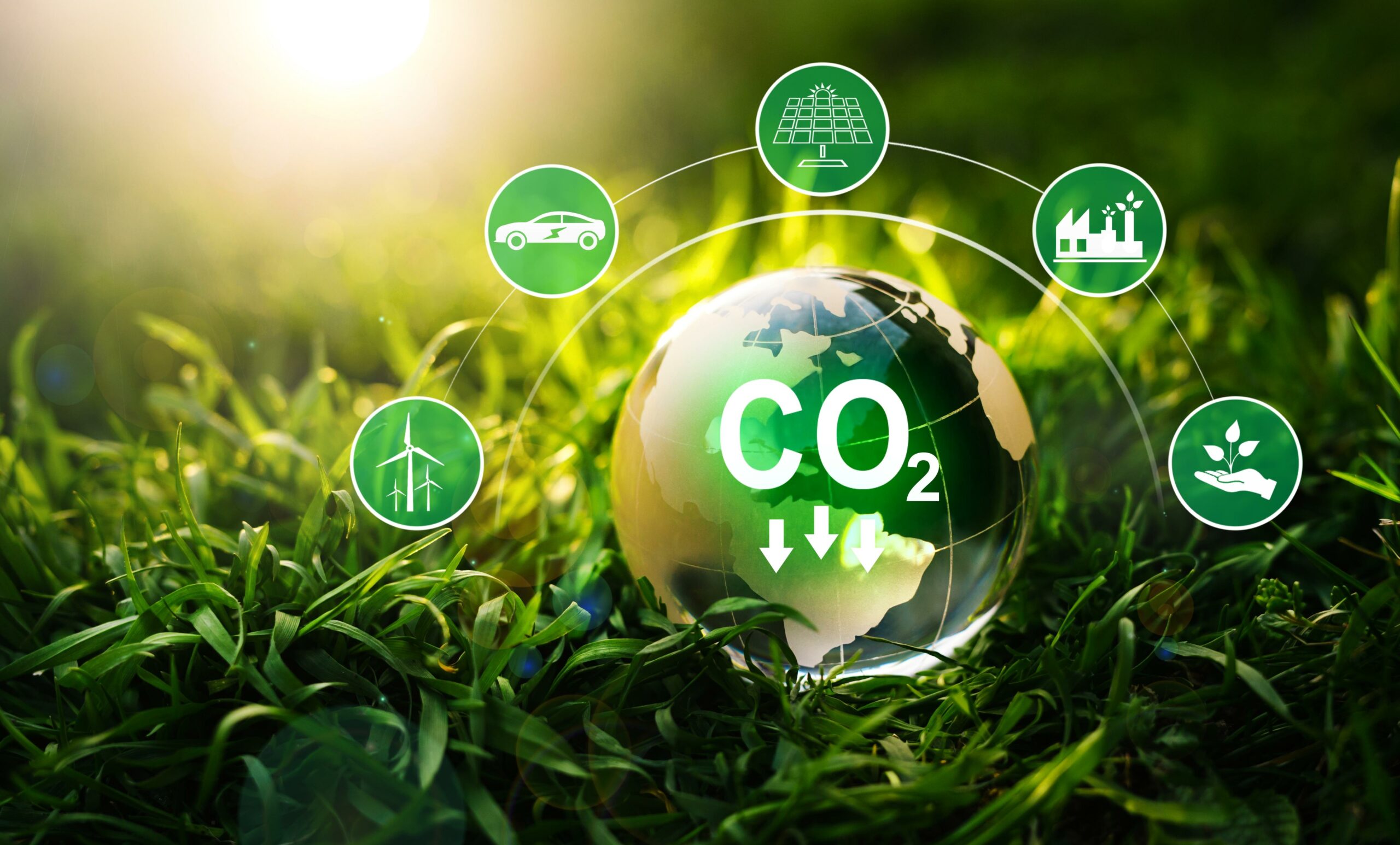
Reducing energy waste in 2025 requires a fusion of mature engineering solutions and next-generation technologies. This deep-dive explores five core strategies—covering principles, implementation steps, real-world examples, and quantitative benefits—so you can craft a comprehensive roadmap to slash waste in industrial and commercial environments.
1. Advanced Motor Control with Next-Gen Variable Frequency Drives (VFDs)
Electric motors remain the largest single consumer of industrial power. In 2025, VFDs have evolved with embedded AI tuning and predictive analytics that push efficiency further.
-
Principle
-
Dynamically vary motor speed by adjusting output frequency and voltage.
-
Match torque to actual load demand rather than running at full speed 100% of the time.
-
-
Key innovations in 2025
-
On-drive machine learning models that self-tune acceleration/deceleration ramps for changing loads.
-
Built-in thermal and vibration analytics to preempt motor faults and avoid unplanned downtime.
-
-
Implementation steps
-
Baseline motor profiling: record speed, torque and energy curves under real operating cycles.
-
Select AI-enabled VFDs with network compatibility (Ethernet/IP, Modbus TCP).
-
Commission using auto-tuning wizard, then integrate monitoring into the plant SCADA.
-
Validate savings against baseline every month and refine tuning profiles.
-
-
Quantified benefits
-
Energy reduction of 25–55% on centrifugal loads (pumps, fans) by trimming average RPM.
-
20% fewer unscheduled stops due to built-in diagnostics.
-
Typical payback: 1–2 years depending on duty cycle.
-
2. IoT-Enhanced Building Management Systems with Edge AI
Traditional Building Management Systems (BMS) often lag in responsiveness. Upgrading to an IoT-driven EMS with distributed edge-AI agents brings real-time optimization to HVAC, lighting, and ventilation.
-
System architecture
-
Edge nodes at zone level collect temperature, CO₂, occupancy and energy-use data.
-
Edge AI models run anomaly detection and predictive control locally, reducing cloud latency.
-
Central platform aggregates KPIs, runs long-term machine-learning forecasts, and issues strategic recommendations.
-
-
Deployment roadmap
-
Retrofit IoT gateways and smart sensors in priority zones (conference rooms, labs).
-
Deploy edge compute modules that host tiny-ML models for setpoint optimization and fault detection.
-
Link to cloud analytics for monthly trend reports and “what-if” scenario simulations.
-
Train facility staff on interpreting AI-generated alerts and adjusting schedules.
-
-
Real-world impact
-
Case study: Corporate HQ saw 18% reduction in HVAC energy through prescriptive pre-cooling and auto-ventilation scheduling.
-
Fault detection cut chiller maintenance costs by 12%.
-
Improved occupant comfort metrics via tighter temperature control.
-
3. High-Performance LED Lighting Networks with Li-Fi Integration
LED upgrades have matured, but 2025 sees the rise of Li-Fi (light fidelity) networking combined with advanced dimming protocols to extract even more savings.
-
Core concepts
-
Tunable white Alexa-like drivers adjust color temperature and lumen output for human-centric lighting.
-
Li-Fi modules in luminaires provide high-speed data comms while serving as occupancy and daylight sensors.
-
-
Step-by-step rollout
-
Replace legacy fixtures with tunable-white LED troffers featuring integrated Li-Fi transceivers.
-
Configure daylight-harvesting algorithms to dim in response to natural light and user preferences.
-
Use Li-Fi network to pinpoint and track occupancy patterns with room-level accuracy.
-
Feed occupancy data back into the BMS for coordinated HVAC shutdowns.
-
-
Performance outcomes
-
Lighting energy drop of 60–80% vs. fluorescent baselines.
-
15% extra HVAC savings by intelligently turning off air conditioning in unoccupied zones.
-
Enhanced wireless data bandwidth without RF-based Wi-Fi congestion.
-
4. On-Site Renewable Generation Paired with Battery Storage
By 2025, the economics of small-scale solar and wind plus battery systems deliver firm dispatchable power. Integrating renewables with energy management yields major waste reduction.
-
Design guidelines
-
Size PV or micro-wind arrays to cover 30–50% of average site load.
-
Select battery chemistry (Li-ion LFP or advanced solid-state modules) for 2–4 hours of critical backup.
-
Use hybrid inverters that manage grid-tie, island mode and V2G (vehicle-to-grid) interactions.
-
-
Integration process
-
Conduct irradiance and wind-speed studies to model generation profiles.
-
Engineer DC coupling to minimize conversion losses between PV, batteries and inverters.
-
Implement a dispatch logic in the EMS to maximize self-consumption and shave demand peaks.
-
Monitor performance with second-by-second power metering and adjust dispatch rules quarterly.
-
-
Measurable gains
-
25–45% reduction in grid imports during daylight hours.
-
Peak demand shaving of up to 20% by discharging batteries during tariff spikes.
-
Typical financial payback: 5–7 years, accelerating with tariff volatility.
-
5. Demand Response Orchestration & Advanced Power Factor Correction
Coordinated demand response (DR) and dynamic power factor correction (PFC) platforms minimize peak charges and grid losses while boosting overall electrical efficiency.
-
Functional blocks
-
DR engine ingests real-time price or grid-stress signals and schedules non-critical load curtailment.
-
Static and dynamic capacitor banks automatically adjust reactive compensation to maintain power factor ≥0.98.
-
Unified dashboard shows kW, kVAR, and DR event status for instant decision-making.
-
-
Implementation blueprint
-
Define load prioritization: classify processes as essential, deferred or interruptible.
-
Deploy smart relays and IoT-enabled PFC panels at key distribution boards.
-
Connect to utility DR programs via OpenADR or proprietary APIs.
-
Simulate combined DR + PFC scenarios in the EMS to refine cut-sets and avoid process disruption.
-
-
Combined impact
-
Peak demand reductions of 10–20% during utility DR events.
-
Power factor penalties eliminated, recovering up to 3–5% of monthly energy invoices.
-
Improved transformer capacity utilization and reduced distribution losses.
-
Comparative Overview
| Strategy | Savings Range | Payback | Complexity |
|---|---|---|---|
| AI-Enabled VFDs | 25–55% on motor energy | 1–2 years | Medium |
| IoT/Edge AI BMS | 10–20% total building energy | 2–4 years | High |
| Li-Fi LED Networks | 60–80% lighting + 15% HVAC | 1–2 years | Medium |
| Renewables + BESS | 30–50% daytime grid reduction | 5–7 years | High |
| DR Orchestration + Dynamic PFC | 10–20% peak demand + PF gains | 1–3 years | Medium |
To push waste to near zero, consider layering on:
-
Digital Twins for continuous simulation and control-loop validation.
-
Predictive Maintenance powered by federated learning across multiple sites.
-
Vehicle-to-Grid (V2G) Integration using fleets of electric vehicles as mobile storage assets.
-
Blockchain-Backed Energy Trading for granular buy/sell of micro-surplus in private microgrids.
Implementing these five pillars in concert establishes a resilient, low-waste energy ecosystem that meets 2025’s sustainability and cost-containment targets.
QTE Technologies is committed to promoting green energy. We believe that it is important to do our part to reduce the overall global carbon footprint. Therefore, these measures are crucial to reduce energy waste and drive a sustainable work culture.
We offer over 1 million products including these energy-saving devices from renowned brands. QTE Technologies is an international MRO provider that proudly serves customers in over 180 countries. Established in 2010, we offer over 1 million products for every industry and engineering discipline. Additionally, you can reach us anytime via 24×7 chat support, phone, WhatsApp or email. Discover what our valued customers have to say about our services on our dedicated review page.
Post Author By QTE Technologies Editorial Staff (with a solid background in both technical and creative writing - accumulated 15+ years of experience).