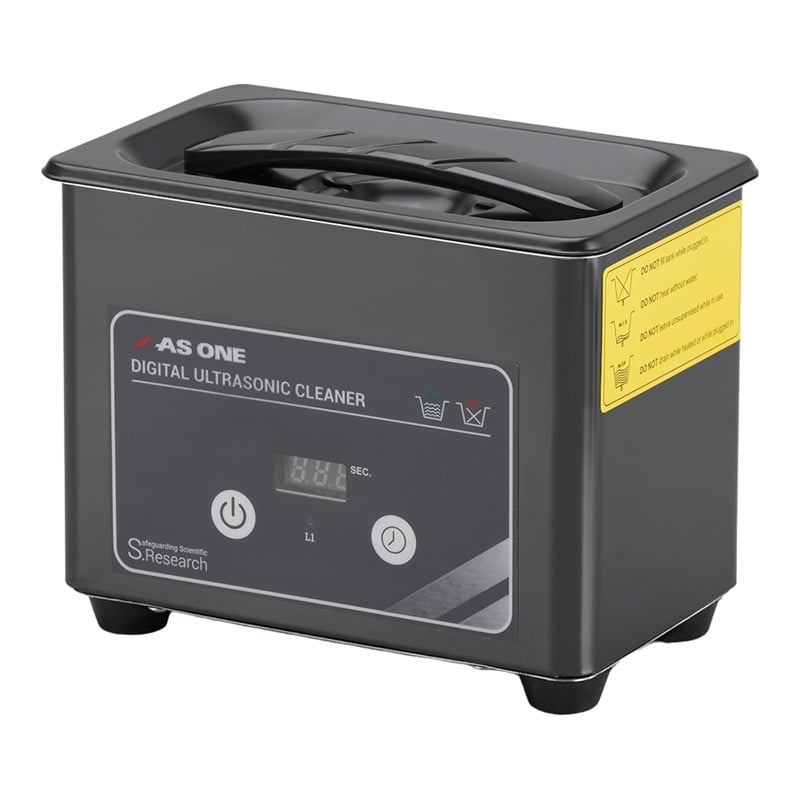
AS ONE 51-0194-01 ASUSCN-80 Ultrasonic Cleaner (0.8L, 40kHz)
| Manufaturer: | AS ONE |
| Model: | ASUSCN-80 |
*The above price is Standard Price, Kindly click on Request a quote  to unlock Competitive Pricing and Delivery Dates - Check Availability. Our expert consulting team is always ready to assist you within one business day.
*Order Process: 1. Request a quote ⇒ 2. Quote via Email ⇒ 3. Proforma Invoice ⇒ 4. Payment ⇒ 5. Delivery and Invoice.
*We deliver to your doorstep under DAP terms. Customs clearance is for your account.

*You can't find the product you need, please send us the picture/specifications/model/product code and quantity you need to email: [email protected]. We will find it for you.
*Review us here: Review Now 
Description
- Tank Capacity (L): 0.8
- Output (W): 35
- Oscillation frequency: 40 kHz
- Inner Tank Size (mm): 150 x 85 x 65
- External Dimensions (mm): 180 x 110 x 130
- No Drain Valve
- Power: 220 VAC 50 Hz
- With Timer Function: 300sec / 480sec / 600sec (3 pattern)
- No Digas Function
- Material: Body/Black Titanium, Water Tank/SUS304
- Accessories: Cleaning Basket, Lid
-
FAQ: AS ONE 51-0194-01 ASUSCN-80 Ultrasonic Cleaner (0.8 L, 40 kHz):
1. Product Overview
-
Model: AS ONE 51-0194-01 ASUSCN-80
-
Tank capacity: 0.8 L
-
Inner tank size: 150 × 85 × 65 mm
-
Ultrasonic output: 35 W
-
Oscillation frequency: 40 kHz
-
Power supply: 220 VAC, 50 Hz
-
Temperature range: 20–60 °C
-
Features: drain valve, timer, degassing, frequency-variable
-
Materials: SUS304 stainless steel tank; titanium-coated body
-
Accessories: cleaning basket, lid
-
2. Key Features
-
Timer function: 0–99 minutes, 1-minute steps
-
Degassing mode for improved cavitation uniformity
-
Adjustable ultrasonic power via frequency-variable function
-
Compact footprint (180 × 110 × 130 mm external)
-
Intuitive LED display for time and temperature
-
3. Frequently Asked Questions
Q1. How does ultrasonic cleaning work?
Ultrasonic waves at 40 kHz generate microscopic cavitation bubbles in the liquid. When these bubbles collapse, they produce high-velocity micro-jets that dislodge contaminants from surfaces, even in blind holes and crevices.
Q2. How should I prepare the cleaner before use?
-
Fill the tank with water or a recommended ultrasonic detergent, ensuring the fluid covers your items but stays below the MAX level.
-
To degas, run the unit empty for 3–5 minutes; this removes dissolved gases for more effective cavitation. Then drain and refill before cleaning your samples.
-
Q3. What is the recommended cleaning time?
-
Light to moderate soiling: 3–10 minutes.
-
Stubborn deposits: up to 30 minutes or multiple shorter cycles.
-
Set the time using the ▲/▼ buttons on the control panel; the display counts down once ultrasound starts.
-
Q4. Do I need to use the heater?
-
Heating (20–60 °C) speeds removal of oils, greases, and organics.
-
For heat-sensitive samples (plastics, electronics), operate at room temperature to prevent damage.
-
Q5. What accessories are available?
-
Stainless steel basket: prevents direct contact with the bottom, protecting the transducer.
-
Lid: reduces evaporation, minimizes noise, and maintains temperature.
-
Drain valve: allows easy fluid removal without tilting the unit.
-
Q6. Can I use organic solvents directly in the tank?
No. Do not pour flammable solvents (e.g., acetone, alcohol) into the tank. If solvent cleaning is required, place the solvent in a sealed container and immerse it in the water bath, never add it directly to the tank.
Q7. How do I maintain and clean the unit?
-
After each use: power off, drain the solution, rinse with clean water, and dry thoroughly.
-
Replace cleaning solution every 3–5 uses or when it becomes discolored.
-
Inspect O-rings, gaskets, and the drain valve for wear; replace if leaking.
-
Q8. What if the cleaner does not operate?
-
No ultrasound: check the power cord, fuse, and main switch.
-
No heating: verify the heating element and thermostat.
-
Excessive vibration or noise: ensure samples aren’t touching the tank walls or bottom.
-
4. Safety & Best Practices
-
Always use a grounded outlet.
-
Never run the cleaner without liquid (dry run damages the transducer).
-
Keep hands and loose objects away from the liquid surface during operation.
-
Follow lab safety guidelines when handling detergents and hot fluids.
You may like
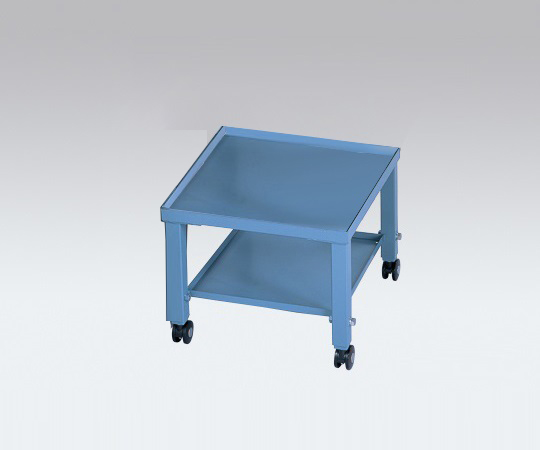
VELVO-CLEAR VS-1200RZ-K Desktop Large Ultrasonic Cleaner Frame (For VS-1200RZ) (SPCC (steel steel sheet), 680 x 585 x 385 to 485 mm)


VELVO-CLEAR VS-600RZ-K Desktop Large Ultrasonic Cleaner Frame (For VS-600RZ) (SPCC (steel steel sheet), 470 x 535 x 385 to 485 mm)

VELVO-CLEAR VS-1200RZ Desktop Large Ultrasonic Cleaner (95/71 L, 40 kHz, 670 x 575 x 504mm)

VELVO-CLEAR VS-600RZ Desktop Large Ultrasonic Cleaner (55/41 L, 40 kHz, 460 x 525 x 504mm)
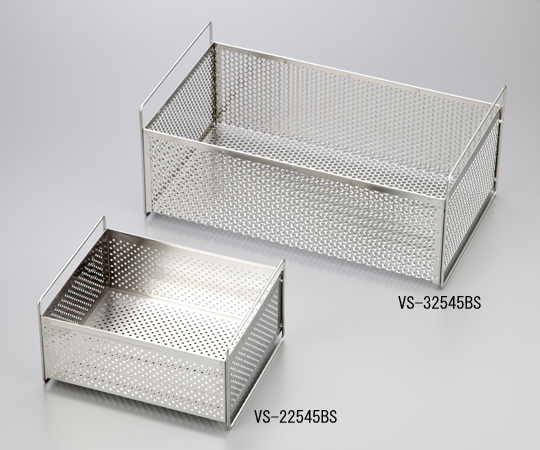
VELVO-CLEAR VS-32545BS Dual-Frequency Desktop Large Ultrasonic Cleaner Basket (Stainless steel (SUS304), 415 x 245 x 140mm)
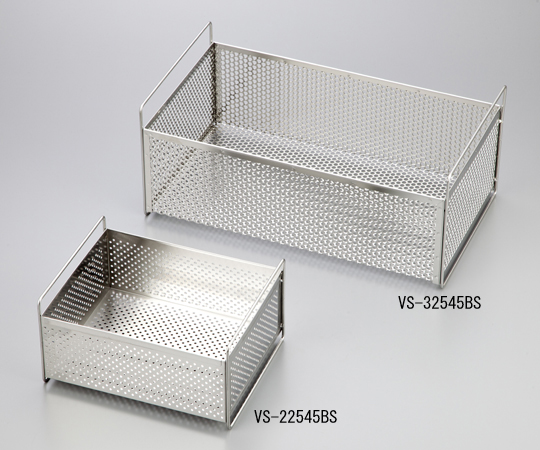
VELVO-CLEAR VS-22545BS Dual-Frequency Desktop Large Ultrasonic Cleaner Basket (Stainless steel (SUS304), 242 x 191 x 89mm)
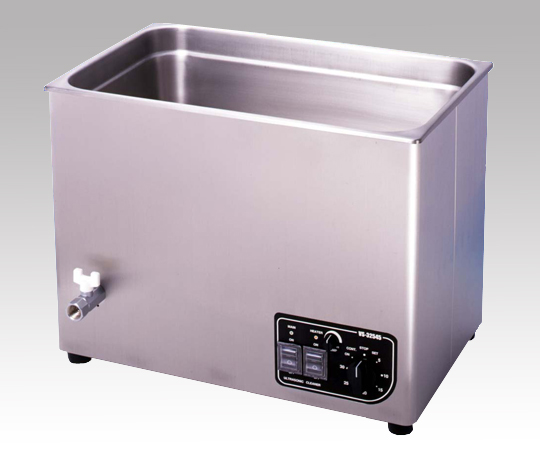
VELVO-CLEAR VS-32545 Dual-Frequency Desktop Large Ultrasonic Cleaner (29.5L, 28/45 kHz, 530 x 325 x 388mm)

VELVO-CLEAR VS-22545 Dual-Frequency Desktop Large Ultrasonic Cleaner (10.5L, 28/45 kHz, 325 x 265 x 337mm)

Kaijo 400D Desktop Ultrasonic Cleaner (Sono Cleaner, D Series) (20L, 38 kHz, RT-70oC, 530 x 325 x 306mm)
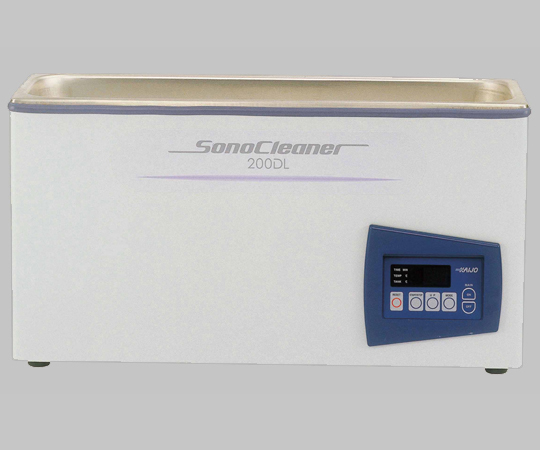
Kaijo 200DL Desktop Ultrasonic Cleaner (Sono Cleaner, D Series) (7.4L, 38 kHz, RT-70oC, 530 x 163 x 289mm)